——- by ROEL NOLLET - AUGUST 4th 2026
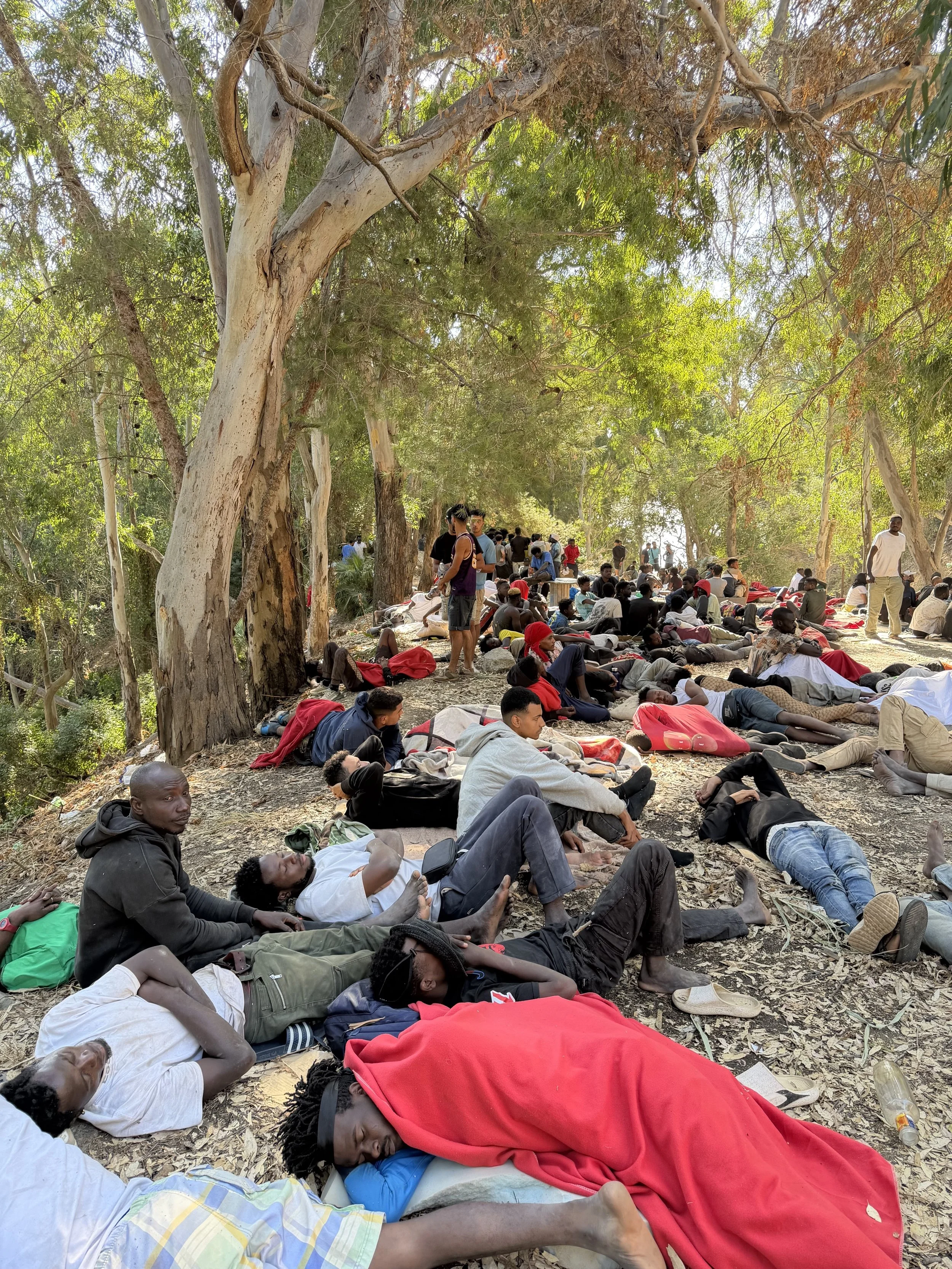
While politicians try to capitalize on the events in Ceuta, parents of Moroccan youths stand waiting at the fences at the border, because they do not know where their children are. I stand on the other side of that fence and look at their photos on my phone. ‘Maybe they drowned? Why aren’t they calling?’ I hear them thinking. I imagine their anxiety. Young people are sleeping in the bushes, in woods, and among the rocks of breakwaters. Chased by the police. They are woken up with batons. I am standing there when two officers walk up one of those breakwaters.
‘We have journalists from Belgium here,’ one warns his colleagues through a walkie-talkie. When they enter their sleeping spot, the boys scatter in all directions.
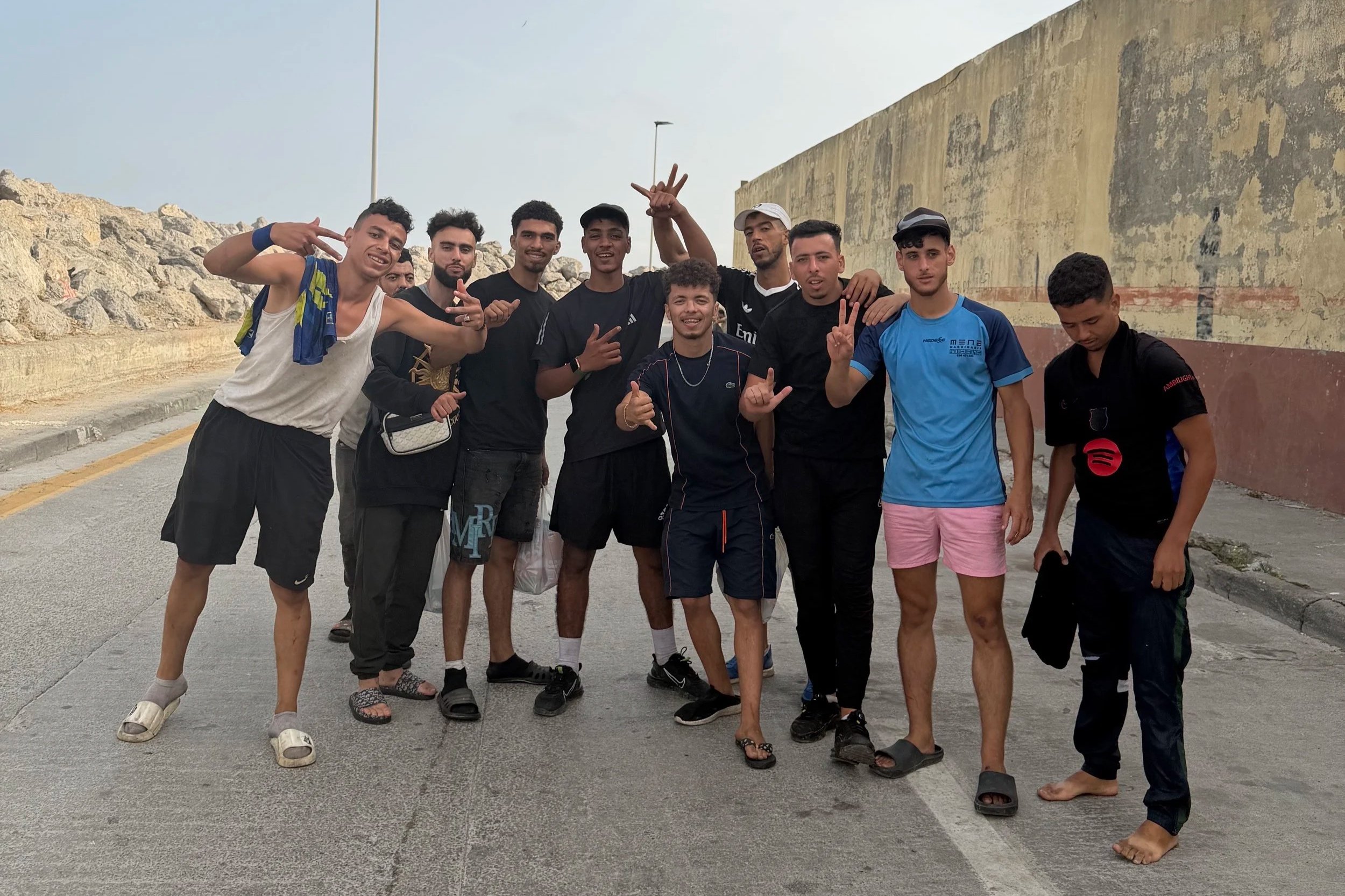
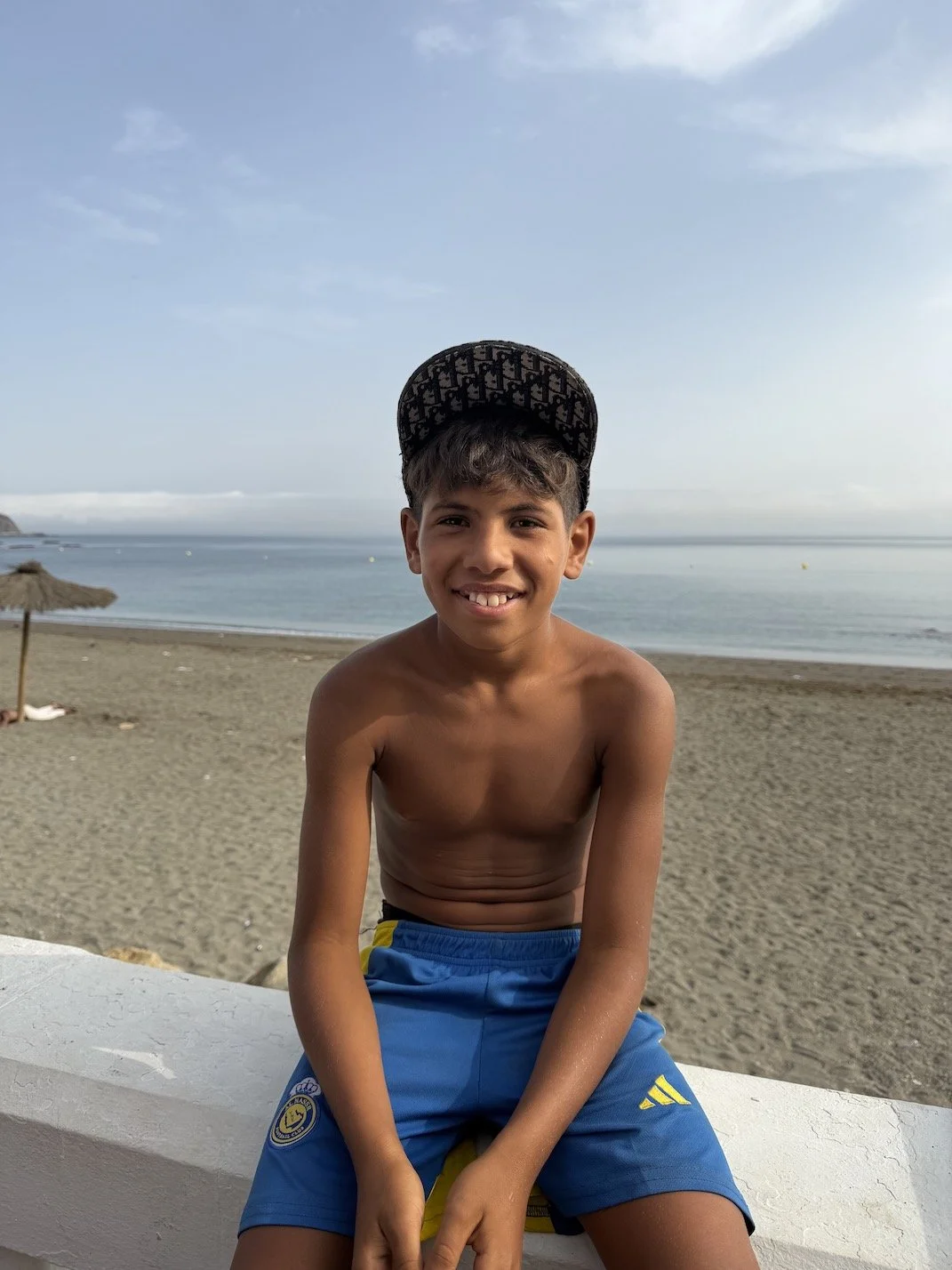
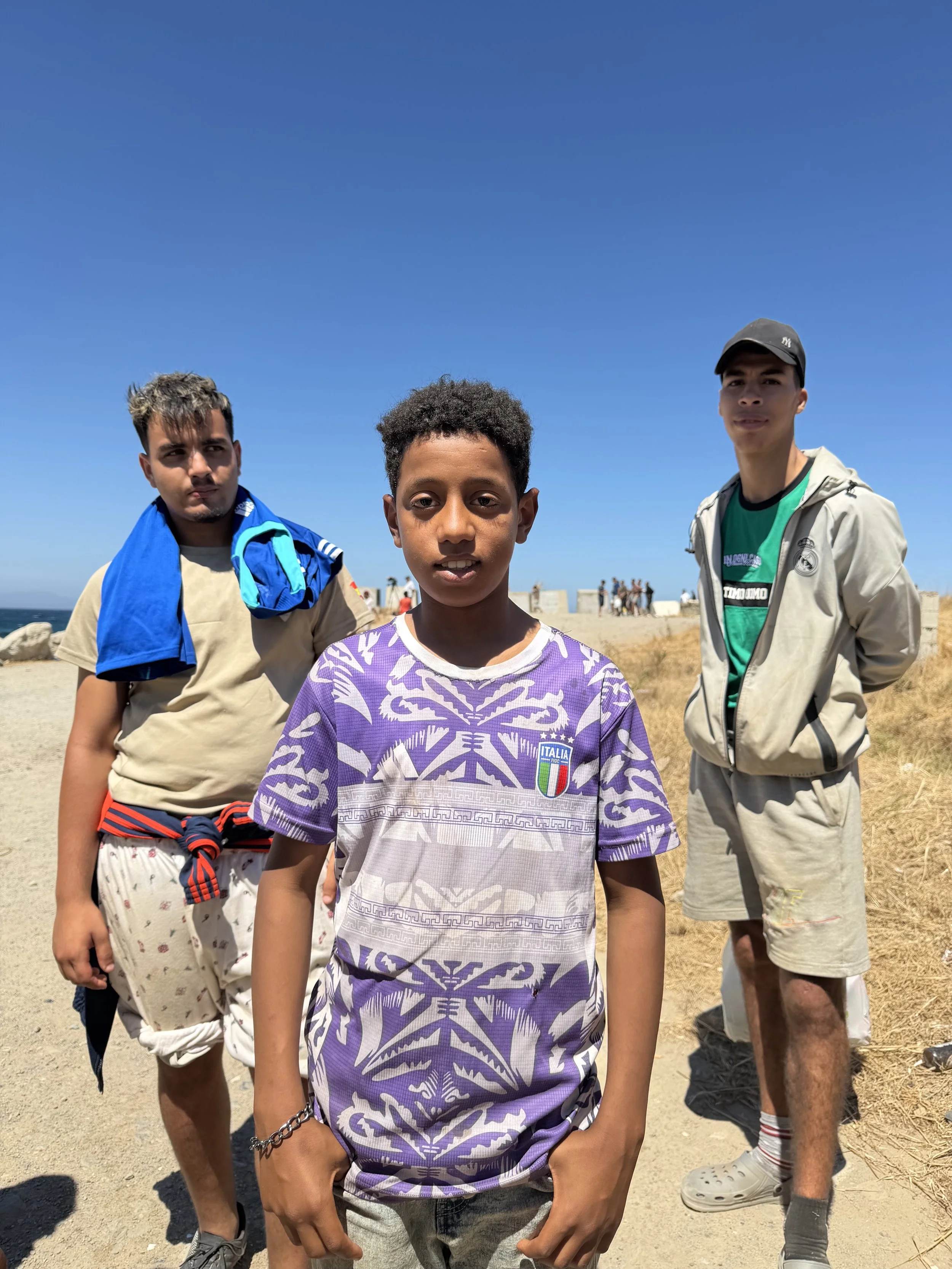
Some no older than 13, like Souhaib. His parents do not know he is here. Like Chems, barely 15. His phone broke during the crossing. And Yahya, not much older, who wants to become a professional footballer. “I just have to try to make my dream come true,” he says. “There is a football team in Tetouan, but otherwise there is nothing. No hope. No future.”
““I just have to try to make my dream come true,” he says. “There is a football team in Tetouan, but otherwise there is nothing. No hope. No future.””
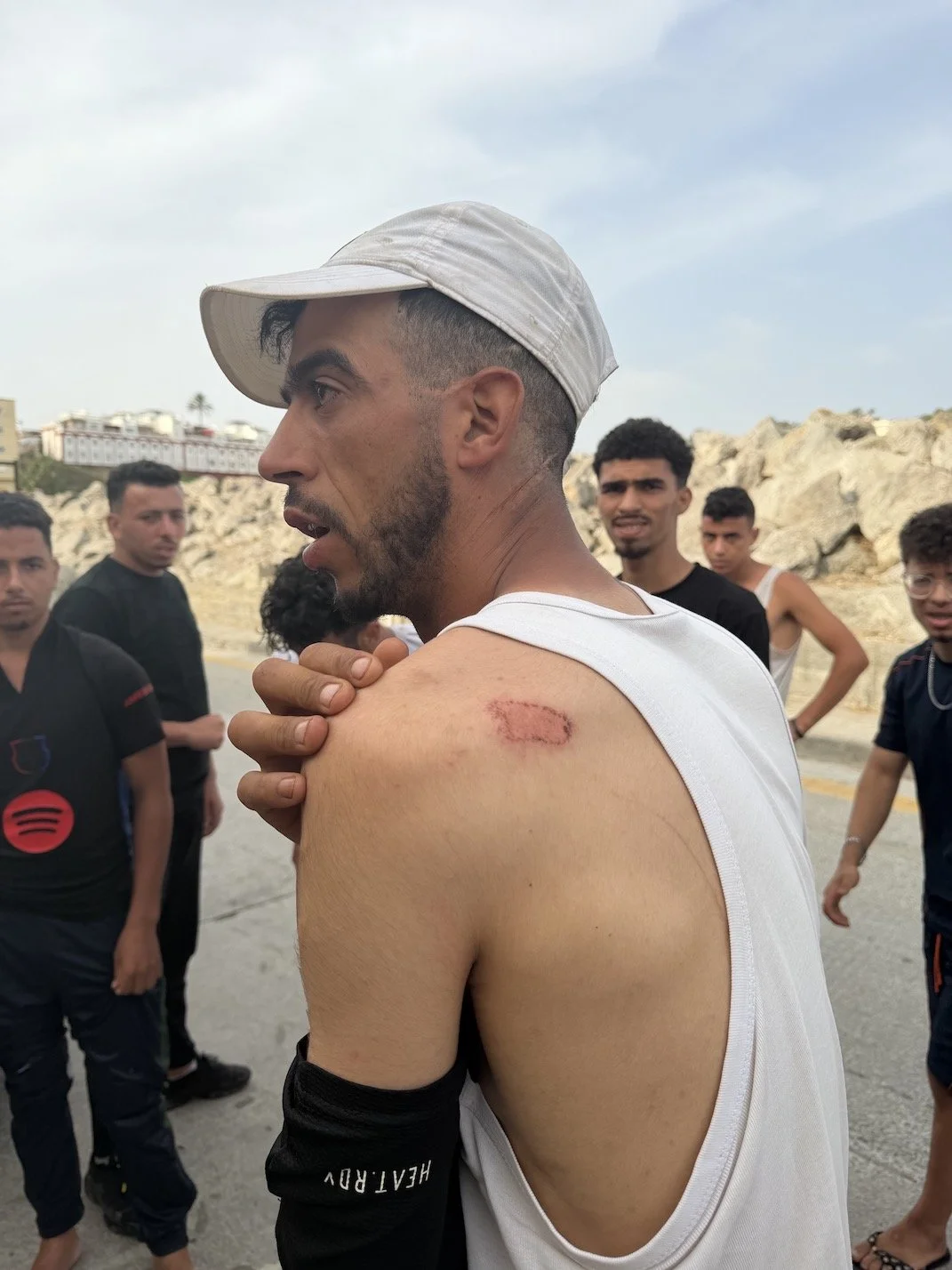
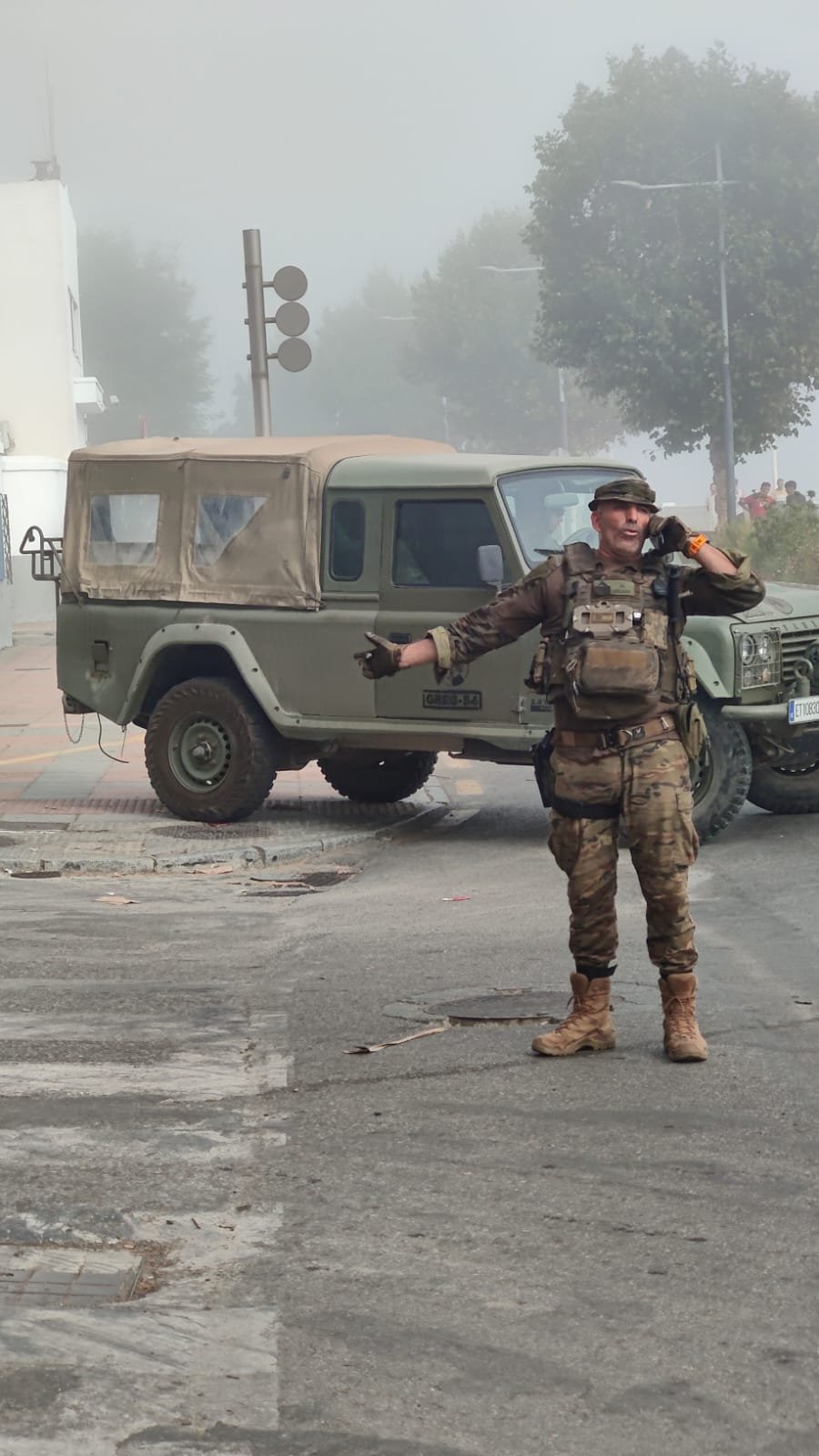
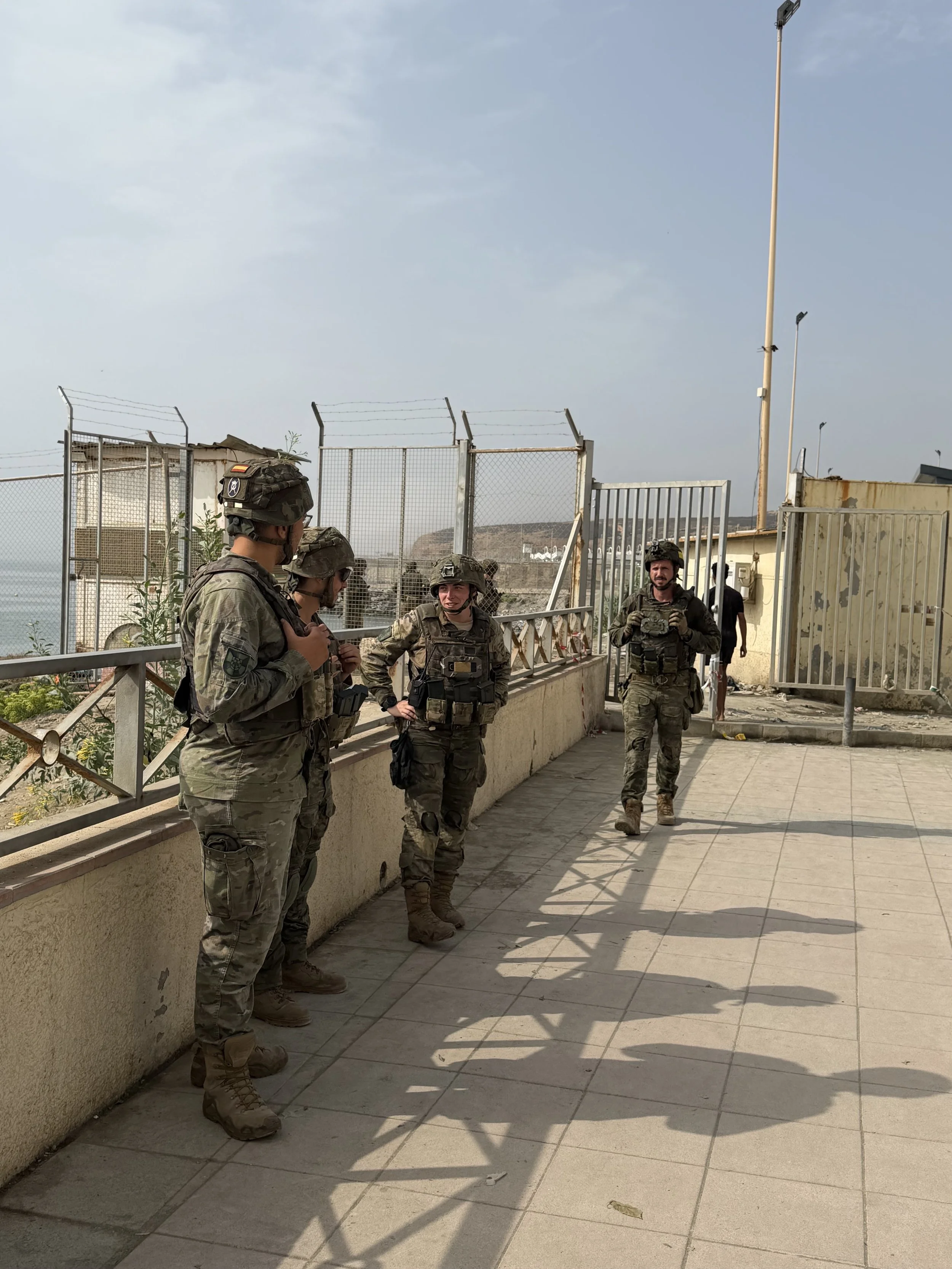
We see young people running through the streets. Soldiers are everywhere. They escort them back to the border. One of them steps out of line. A national police officer runs after him and hits him on the legs. The boy defends himself. He limps on. Another can no longer walk at all. They show me their wounds.
“To the border! Morocco! Morocco!” shouts the highest-ranking officer, while nervously blowing a whistle.
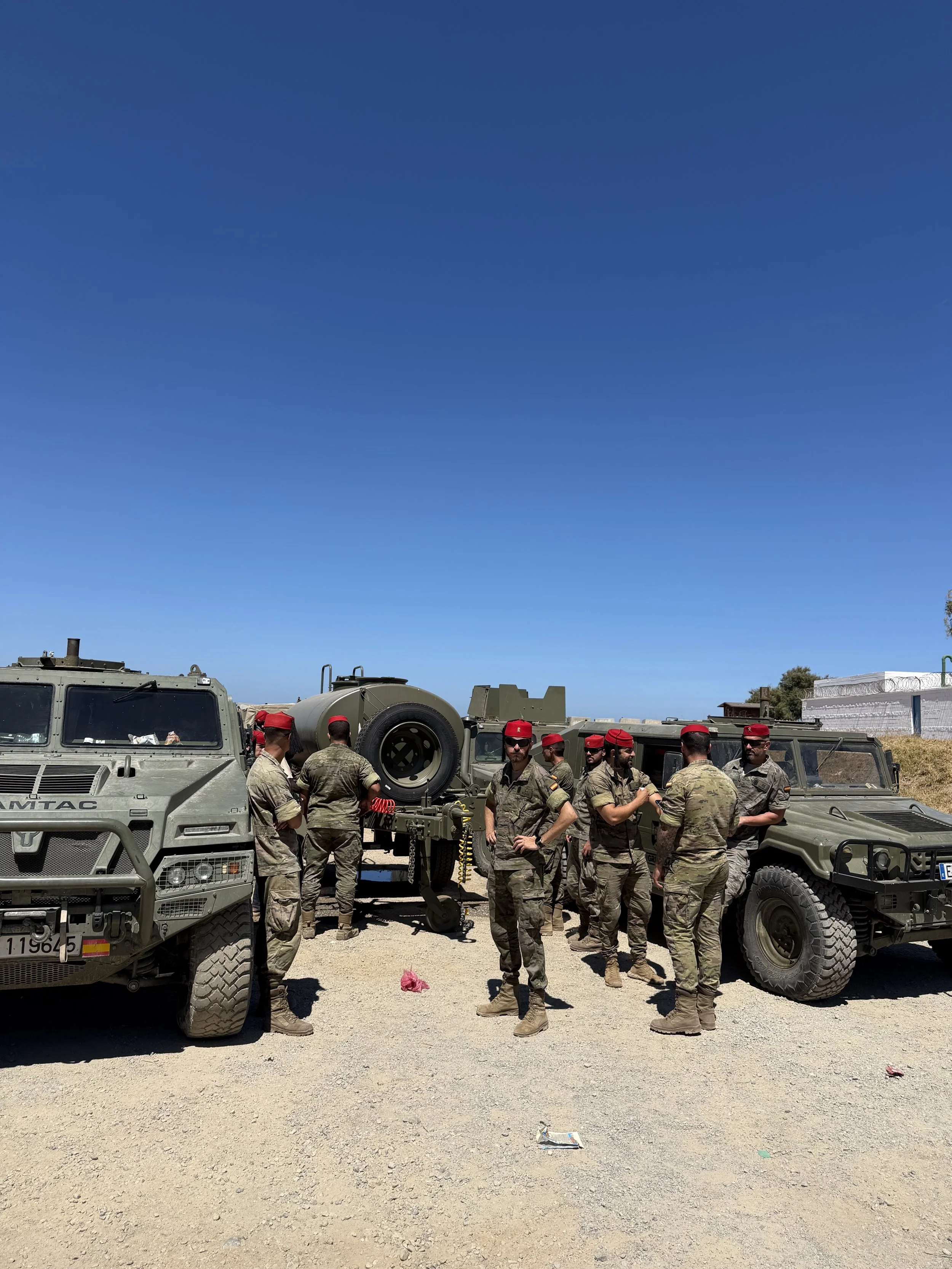
A convoy of at least twenty heavily armed vehicles drives past. Humvees with machine guns, ready to use. There is pushing and shoving, yet the retreat proceeds surprisingly calm.
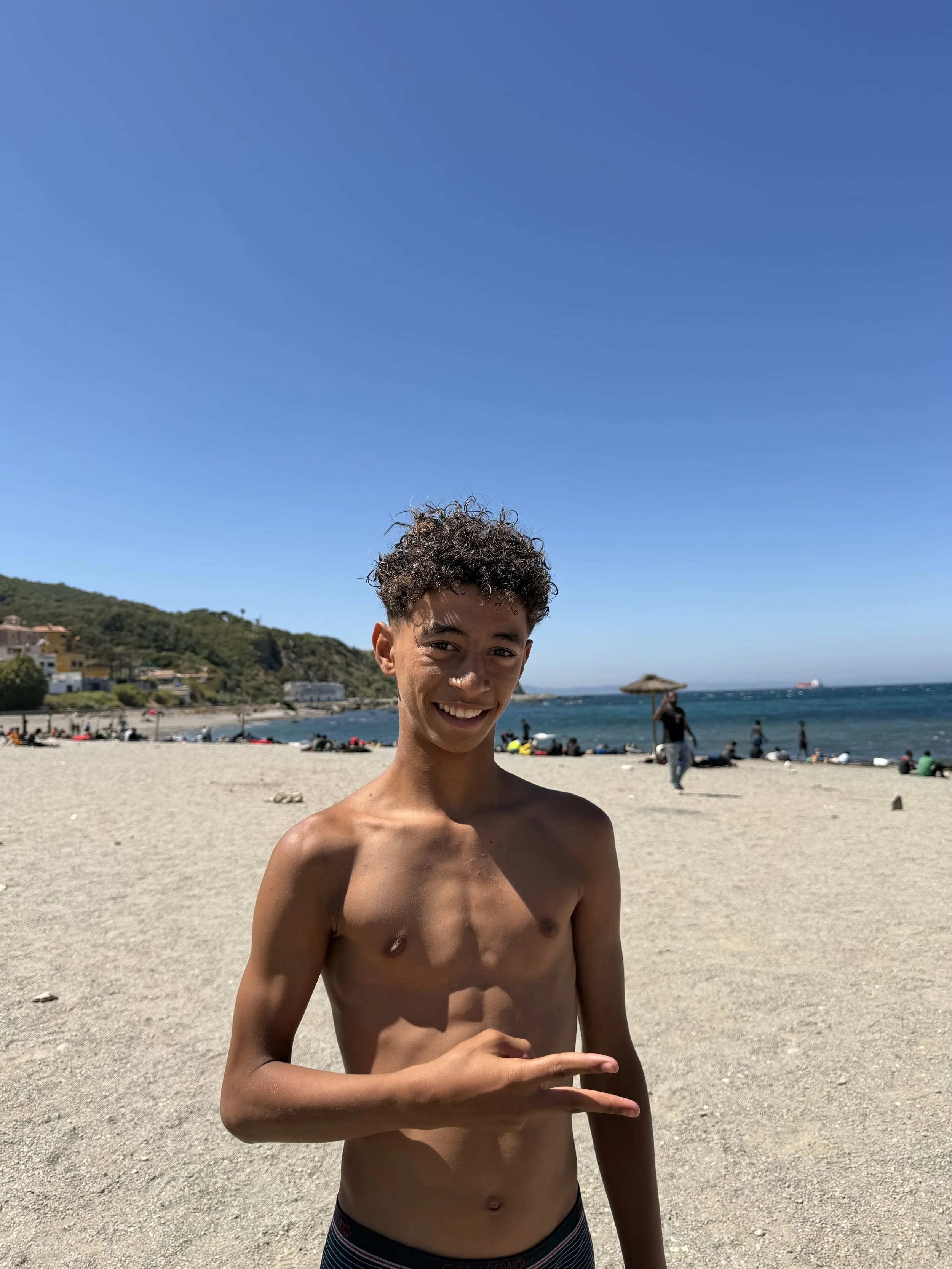
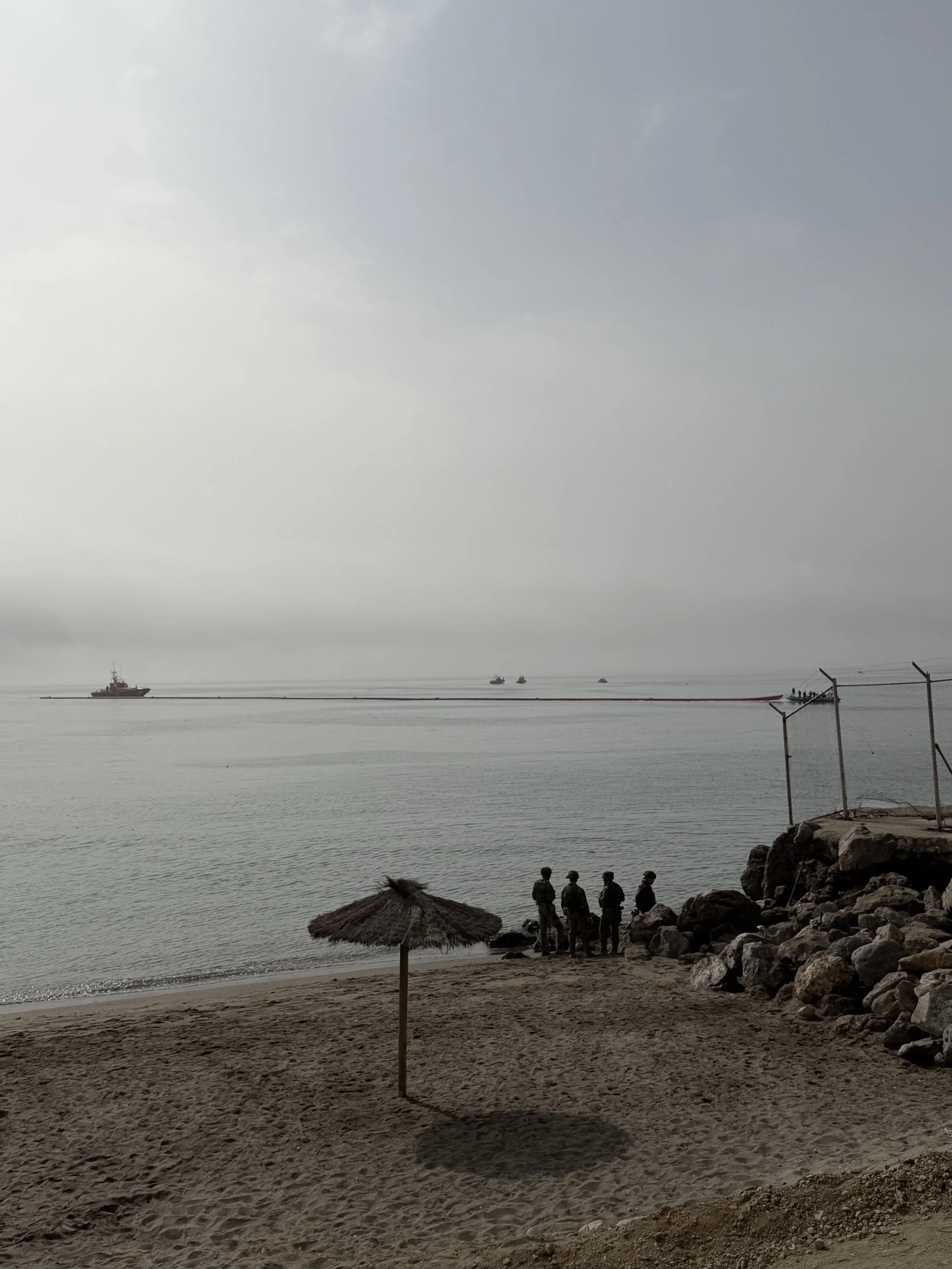
Groups of young people cross the border again. “Viva España!” shouts one of them. ‘See you soon!’ Meanwhile, a boat places a red hose in the water, a physical barrier to prevent more young people from swimming ashore.
““Viva España!” shouts one of them.
‘See you soon!’”
Calm returns to Ceuta. The residents are still recovering from the intense atmosphere in the city.
‘I understand that they want to leave,’ says a young guy we meet in the city center, ‘but we need a better migration policy. We have to draw the line somewhere.’ ‘The local government did act decisively, but many people in Ceuta were shocked and didn’t dare leave their homes,’ says a young woman who has only lived here for two years. She sips from her glass.
Shops and bars closed. Images are circulating on social media that are said to show looting, but we didn’t see any of that ourselves. So the question is whether there really were any. ‘It is true that there is damage to shops,’ she says. ‘Maybe those boys were scared more than us,’ says another woman at the bar in the center. ‘Like this, without food or drink in a strange city.’ ‘There is no racism here,’ she adds. ‘We have been living together well with four cultures for years.’
“‘Maybe those boys were scared more than us, without food or drink in a strange city. There is no racism here. We have been living together well with four cultures for years.’”
In the evening, we see a group of neo-Nazis marching through the streets dressed in black. They are holding a demonstration and wearing T-shirts with the letter ‘N’ and a cross through it on the chest.
‘Núcleo Nacional,’ says our taxi driver Francesco. ‘They come from the mainland, not from here. They come to provoke, but we Caballas laugh at them.’
Caballas – literally: mackerel – is the nickname for the inhabitants of Ceuta. They wear the name as a badge of honor. ‘What are they doing here anyway, now that most Moroccans have left again?’ Francesco adds. Local youths ride around them on mopeds, while shouting slurs. The police and the army have their hands full again.
Among the Mackerel, Prime Minister Sánchez is the main target.
‘Why do we actually still pay taxes here?’ a woman shouts angrily into our microphone. ‘The Prime Minister is a coward,’ says someone else.
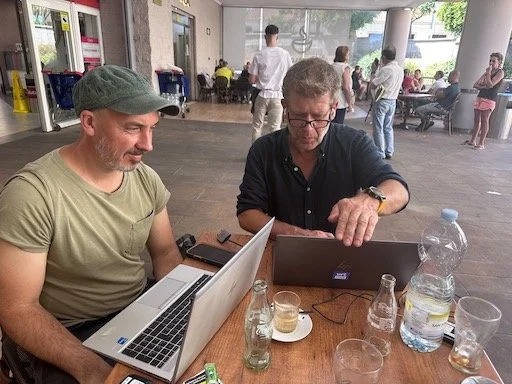
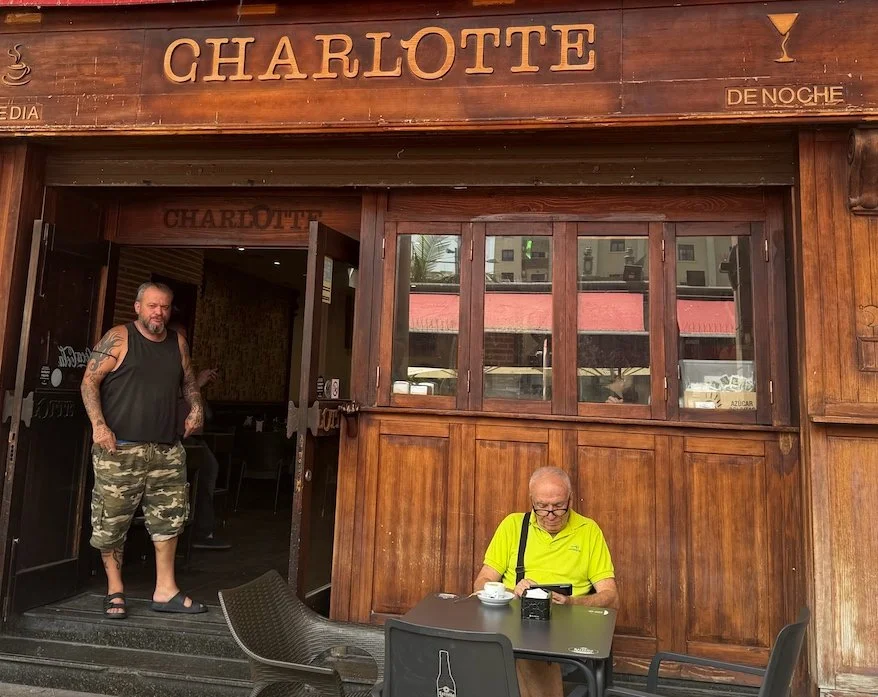
It is a strange mix of tolerance and anger that prevails here, I think. But much more nuanced than what some politicians make of it. A tattooed man in the café where we are editing puts it this way: ‘I would give my life for my Muslim brothers and also for the Christian ones. We form a close-knit family here. It is thém, the politicians, who are steering this crisis. And they have left us alone.’ The people around him nod their heads. It says a lot about the uniqueness of this special enclave on the African continent, I think to myself. They say they are open to other cultures, but are also very aware of their own – complex – identity. And they do not have – to put it mildly – the best relationship with Madrid.
“‘I would give my life for my Muslim brothers and also for the Christian ones. We form a close-knit family here. It is thém, the politicians, who are steering this crisis. And they have left us alone.’”
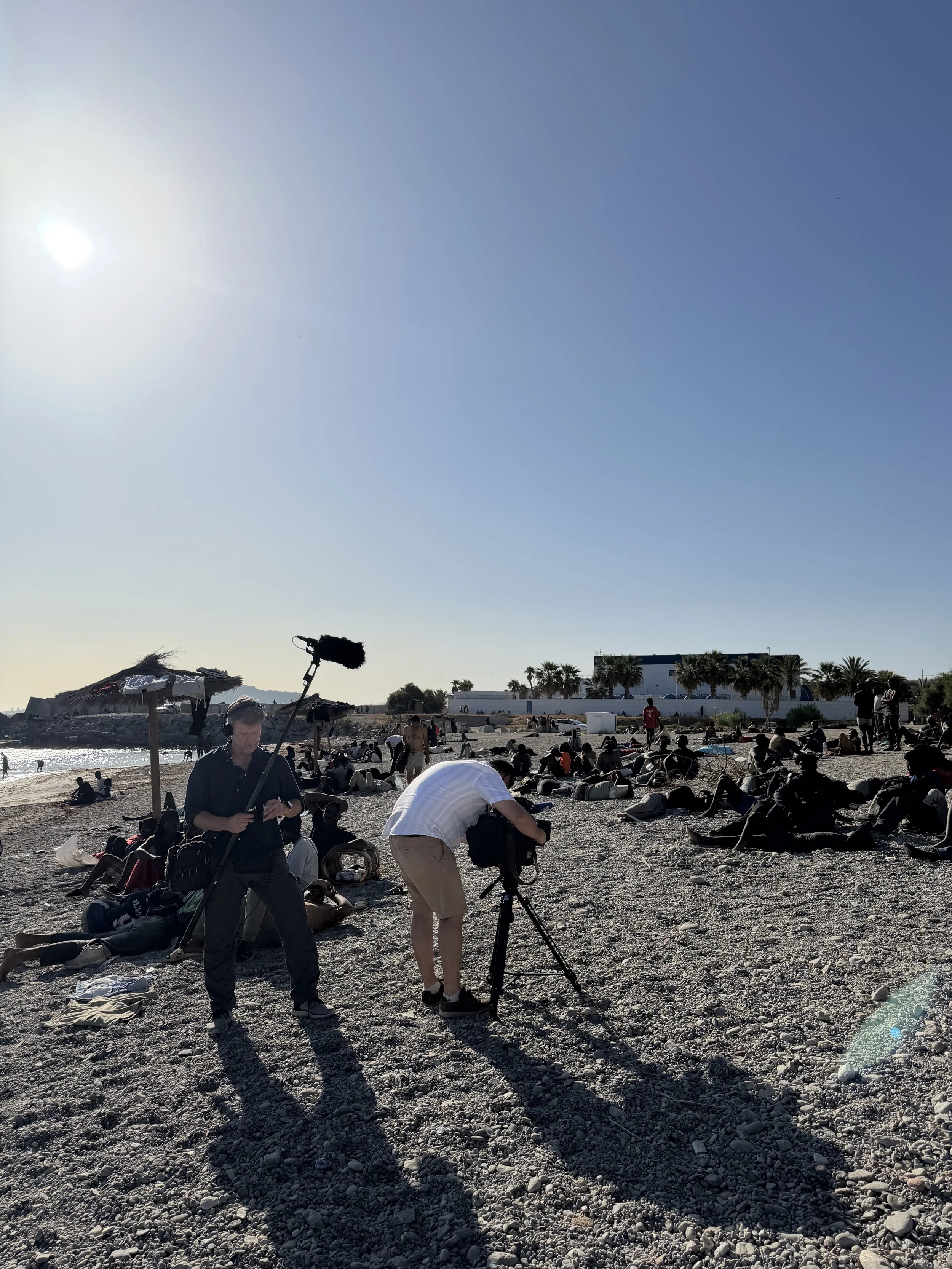
Sunday is no day of rest. We see infantrymen of the Regulares — with their typical bright red tarbush and a black tassel attached — handing out water on a beach. There are mainly migrants and refugees from Sudan, Chad, Yemen, and other conflict zones.
"The Moroccans have thrown a spanner in the works," one of them tells us. Our procedure is being delayed, while Morocco is safe and our country is not.
Hundreds of refugees are sleeping on the streets because not all of them can fit into the temporary reception center for migrants. There are only 550 places there. The migration route via Ceuta is part of the Western Mediterranean migration route. While the number of refugees on most other routes is decreasing, people are only increasing here.
As I fly back home, I still ask myself many questions, because we do not know exactly who is responsible for what has happened. Is it pure disinformation, as the King of Morocco says, or a targeted hybrid attack, as others believe? Morocco wanting to put pressure on Spain? Trump, who still had a bone to pick with Sánchez and called in his tech bros? What we know for sure is that the situation in Ceuta suits some politicians well.
And then the question arises: if social media can control migration flows, who controls those messages on social media? How do you investigate that? And shouldn't Europe be worried about that too? But above all: Was there — apart from politics — enough focus on those who died? Where do their bodies go? How many parents are still standing at that gate waiting because they don't know where their children are? And what happens to those children, who are currently still sleeping on the streets?
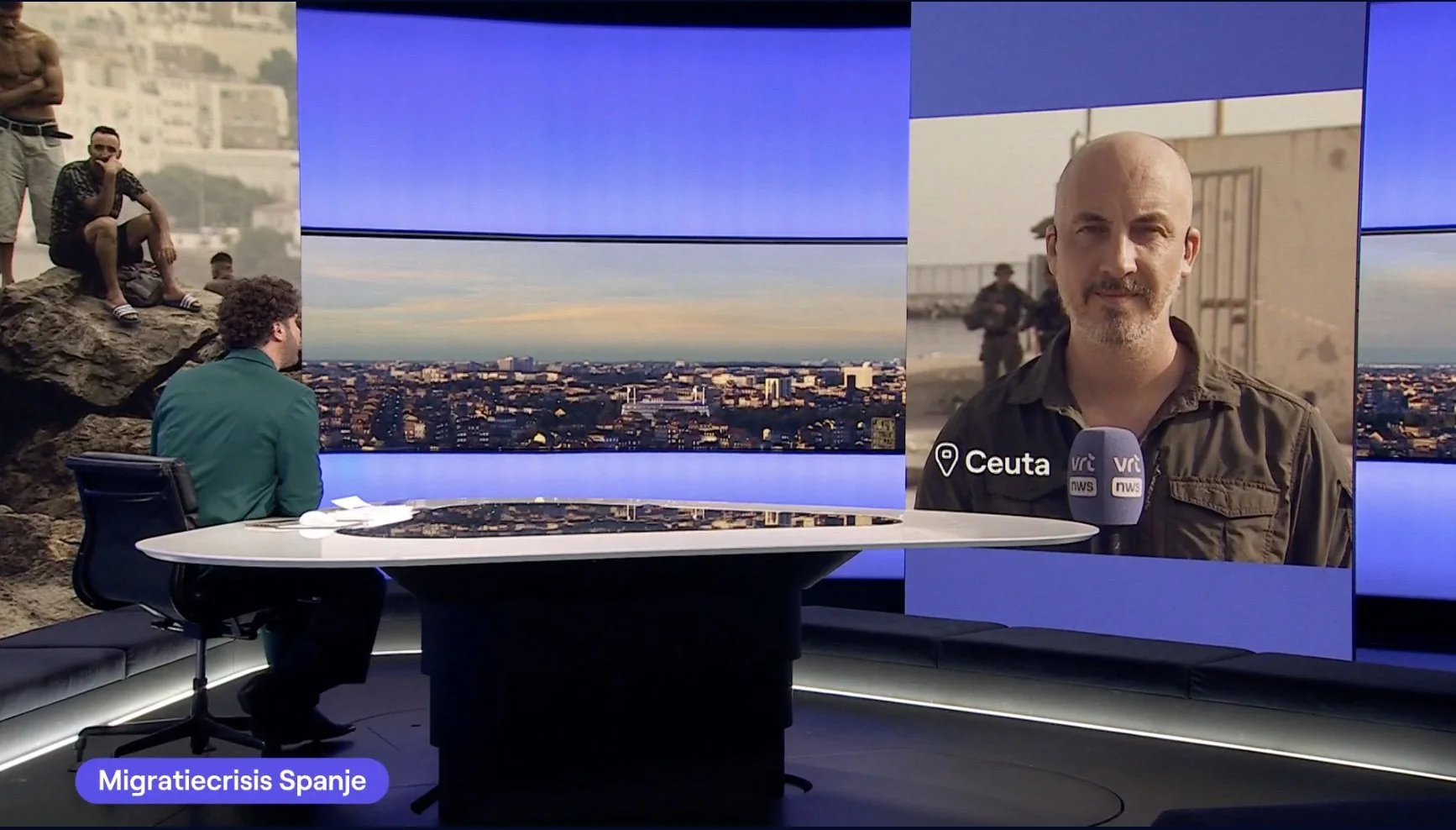
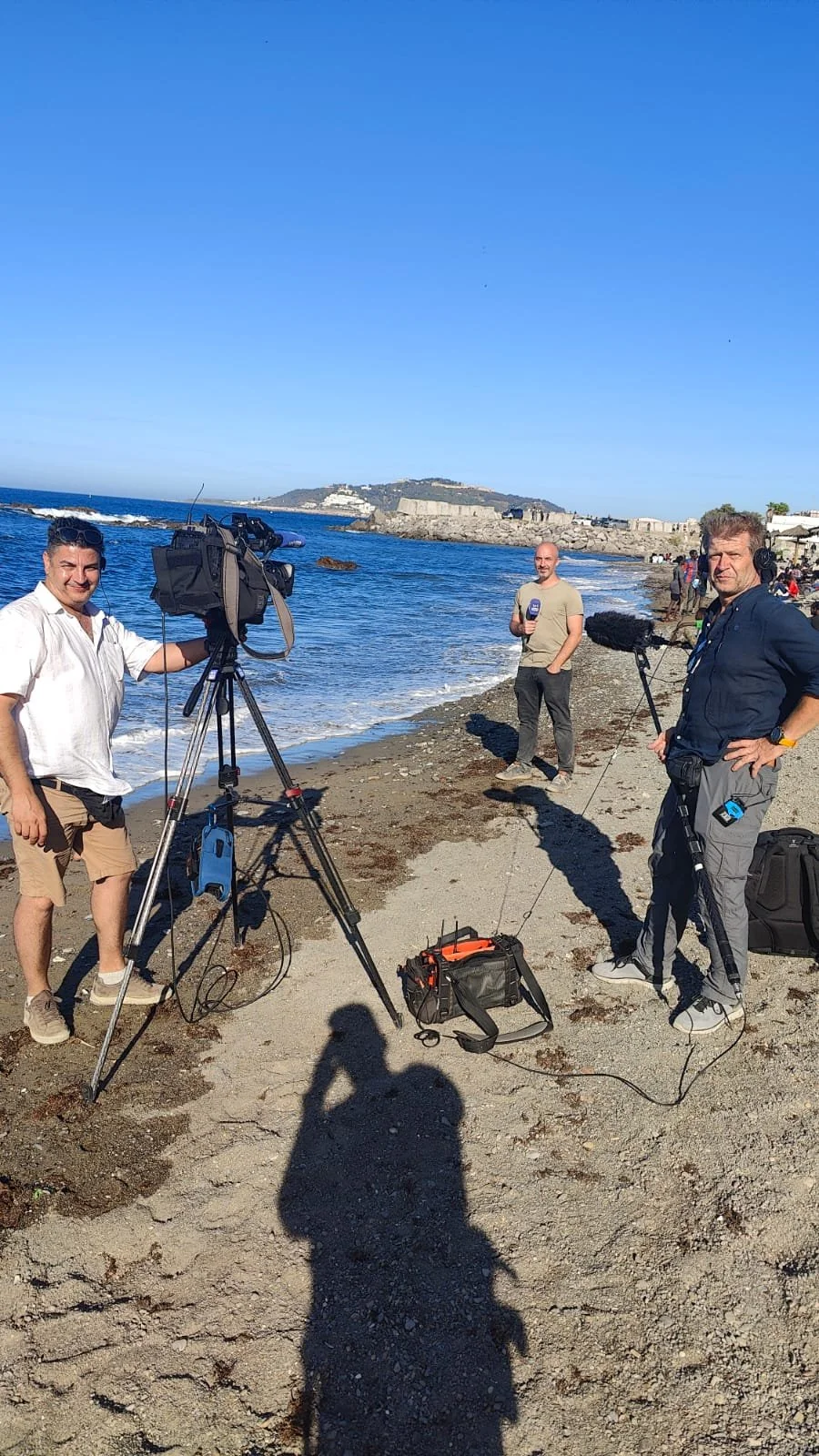
I have been four days in Ceuta. An eventful weekend with top colleagues Mustafa Hazim Al-Baroni, Mick Delbarre and Mieke Strynckx for VRT NWS.